The Sophisticated Charm of a Gin Bar NYC Night Out
New York has never lacked for nightlife. The city can hand you a velvet-rope spectacle, a dive with a jukebox that still works, a hotel lounge with polished brass and discreet service, or a neighborhood wine bar where half the room knows the bartender by name. Yet there is a particular kind of evening that feels distinctly composed, grown-up, and a little transportive: a night at a gin bar. NYC does this especially well, because the city understands how to turn a drink into a setting, and a setting into a mood.
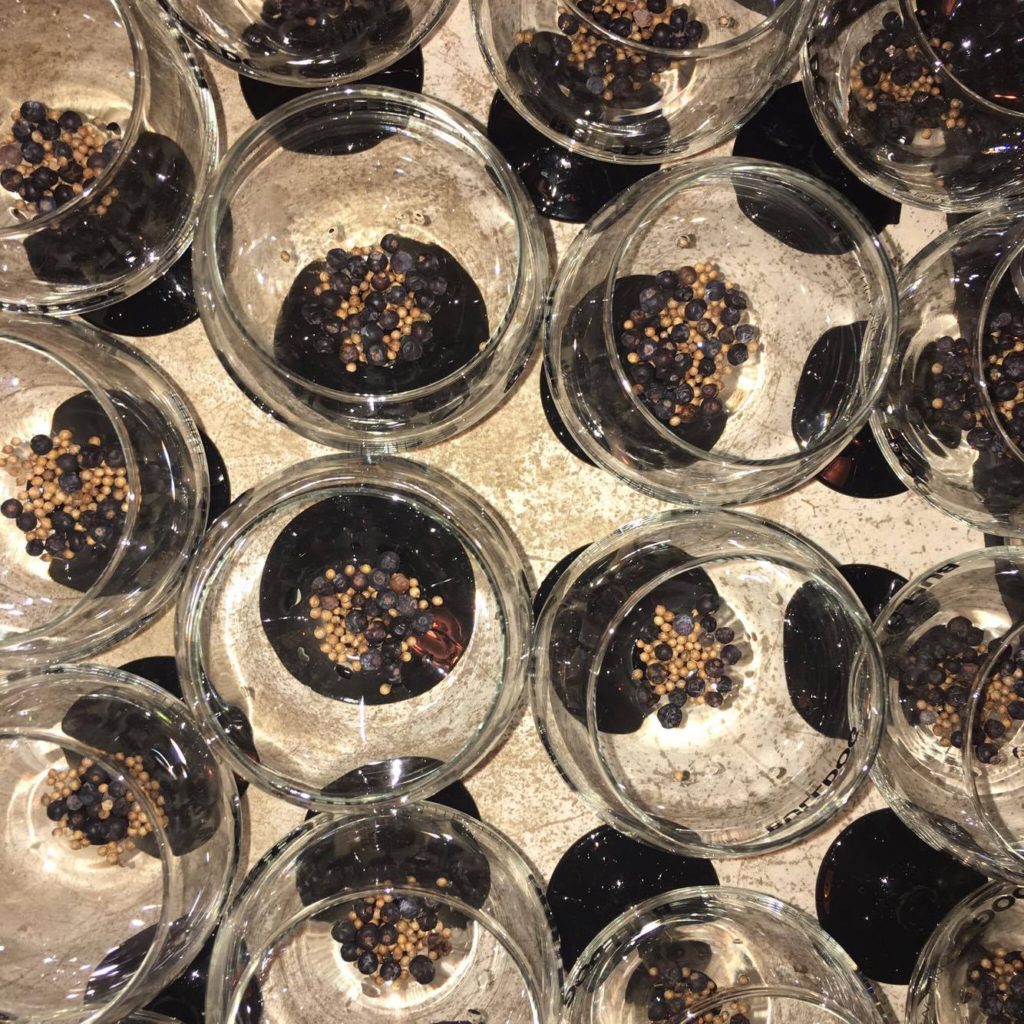
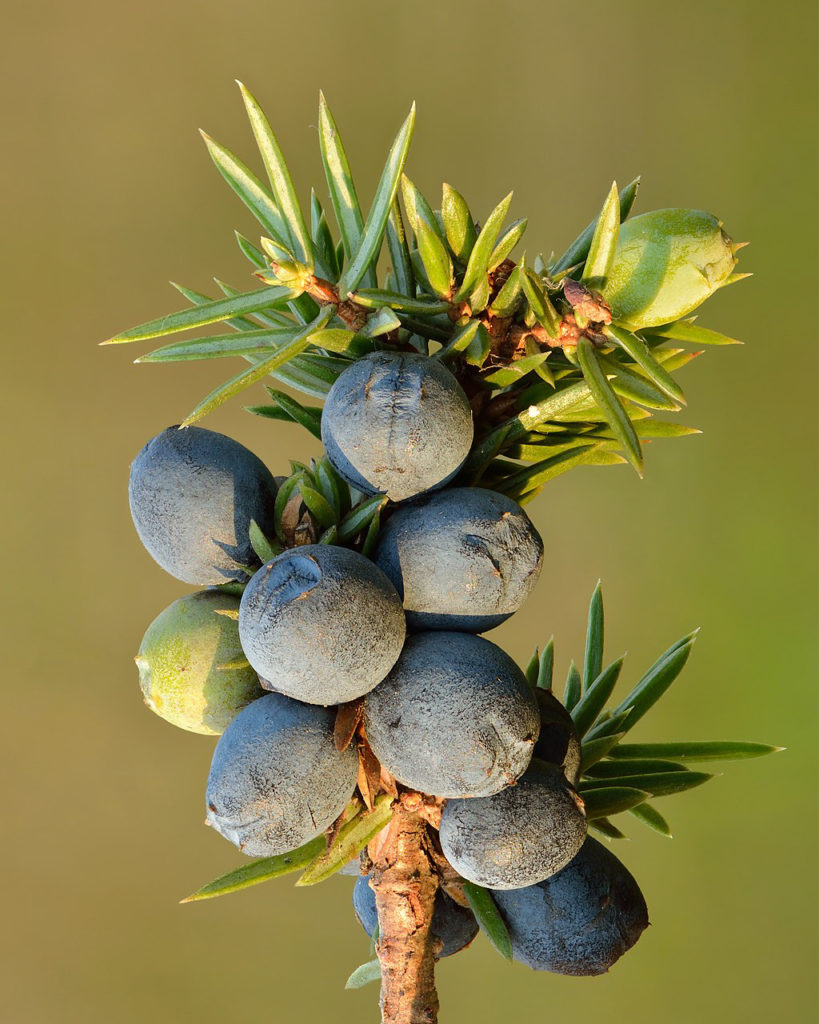
A proper gin bar is not just a place that happens to pour martinis. It is a room built around a spirit with unusual range. Gin can carry sharp citrus, crushed herbs, pepper, cucumber, tea, pine, floral lift, or a soft round spice depending on the bottle and the hand behind the bar. That complexity changes the pace of a night out. People lean in more. They ask questions. They order with curiosity rather than habit. The energy is less about rushing toward the loudest moment and more about settling into something precise and memorable.
That is the real appeal of a Gin Bar NYC evening. It gives you style without stiffness, ritual without pretense, and enough variety to keep even experienced drinkers interested.
Why gin creates a different kind of night
Whiskey bars tend to invite contemplation. Champagne bars push celebration. Tequila-driven spots can be bright, social, and kinetic. Gin sits somewhere more nuanced. It can feel crisp and cleansing at the start of an evening, aromatic and layered through dinner, and still elegant late at night when many other drinks start to feel heavy.
That flexibility matters in New York, where a night out often stretches across neighborhoods and purposes. One group may be heading to a gallery opening in Chelsea, another to a birthday dinner downtown, another to a second date on the Lower East Side. Gin fits all of those scenes because it moves well. A bracing gin and tonic can wake up the palate after a long workday. A martini can sharpen the mood before a reservation. A Collins can feel easy and sociable if the room is lively. A house cocktail built around seasonal herbs can anchor the whole experience if the bar has a serious beverage program.
There is also the fact that gin rewards craftsmanship in a way guests can actually taste. With bourbon, the bottle often carries much of the identity. With gin, the interplay between spirit, vermouth, citrus, temperature, ice, dilution, and garnish changes everything. A bartender who knows how to handle gin can turn a familiar drink into a small lesson in balance. You notice it in the first sip, when the juniper lands cleanly instead of harshly, or when the lemon peel brightens the nose without bulldozing the botanicals.
In a city where many people have had one too many rushed cocktails served in a noisy room, that level of attention stands out.
The room matters as much as the drink
The best gin bars in New York understand that atmosphere is not decoration. It is part of the flavor. A polished backbar lined with green glass, stemware that feels weighty in the hand, soft light that flatters both the drink and the people holding it, music that stays present without forcing anyone to shout, these details shape whether the evening feels sophisticated or merely expensive.
Good design in a gin-focused bar tends to avoid the obvious. If a place leans too hard into British caricature, all brass rails and fake club-room nostalgia, it can feel themed rather than considered. The stronger rooms borrow from tradition without becoming trapped by it. You might see clean tile, dark wood, velvet banquettes, marble counters, or a narrow standing ledge where solo guests can have one excellent drink before moving on. The point is coherence. The room should feel as crisp as the spirit.
Service plays the same role. In the best spots, bartenders are fluent without being theatrical. They can guide a guest who says, “I don’t usually like gin,” toward something gentler, perhaps a modern botanical style with less juniper bite. They can also read the room well enough to leave a pair on a date alone after the first round instead of turning every order into a seminar. That judgment is rare, and it is often what separates a merely good bar from one people return to.
I have seen the difference in real time. In one bar, a guest sent back a martini because it tasted “too strong,” which usually means the drink and the expectation were miles apart. The bartender did not roll his eyes or launch into a lecture. He asked two questions, swapped the gin, changed the vermouth ratio, added a lemon twist instead of an olive, and the second drink landed perfectly. That interaction took less than two minutes. It also kept the guest comfortable, protected the tone of the evening, and quietly displayed professional skill. In a serious gin bar, that kind of correction is part of the craft.
What a great Gin Bar NYC experience feels like
The first thing you notice is often the pace. Not slow, exactly, but measured. People at neighboring tables are talking, not performing. Glasses arrive cold. Garnishes look intentional instead of decorative by default. If there is a martini cart or tableside flourish, it tends to be restrained. The confidence comes from execution, Gin Bar NYC not gimmicks.
The menu usually tells you a lot. A weak one treats gin as a single flavor. A strong one shows range. You might see London dry expressions, softer contemporary gins, navy strength bottles for guests who want intensity, and perhaps a few international options that bring different botanical traditions into play. Even if the menu is short, the thinking behind it should be visible. One drink might lean bright and saline, another green and savory, another floral and dry, another bitter enough to pair with food. That spread is a sign the bar understands gin beyond the obvious classics.
Temperature and dilution matter more than many guests realize. A gin martini that arrives merely cool instead of properly cold can feel flat within minutes. Too much dilution and the botanicals disappear. Too little and alcohol heat overwhelms the texture. This is why the best bars treat stirring, glassware, and timing almost like kitchen work. The margin between good and excellent is small, but palpable.
The garnish question also reveals a lot. There was a period when bars loaded gin drinks with rosemary branches, cucumber ribbons, dehydrated citrus wheels, peppercorns, edible flowers, and enough aroma to resemble a centerpiece. The better places have pulled back. They know that garnish should either sharpen the drink, echo a botanical note, or provide a useful contrast. A lemon twist on a martini, a grapefruit peel on a more floral gin, a precise sprig of herb in a long drink, these are decisions, not habits.
The classics still rule, but only when made properly
For all the creativity around gin, most seasoned drinkers still judge a bar by how it handles the standards. The martini remains the clearest test. It sounds simple, yet it reveals almost everything: product knowledge, technique, glassware discipline, and the bartender’s willingness to tailor the drink rather than force a house style on every guest.
A proper martini conversation should not feel like an interrogation, but a few clarifying questions matter. Gin or vodka is obvious. Dry, wet, or somewhere in between is useful. Twist or olive changes the drink more than some people expect. Stirred is standard. Shaken has its defenders, though it changes texture and clarity. A bartender who moves through those choices calmly and without condescension is usually worth trusting.
Then there is the gin and tonic, one of the most underestimated drinks in the city. At a serious gin bar, it stops being an afterthought. The tonic is chosen deliberately. The ratio is balanced. The ice is fresh and generous enough to keep the drink brisk rather than watery. The glass makes sense. The garnish has a reason to be there. I have had gin and tonics in New York that cost less than a cocktail and delivered more pleasure, simply because the bar respected the drink.
The Negroni is another benchmark. In weaker hands it can taste blunt, all bitterness and sugar with no shape. In a better bar, the gin still speaks, the vermouth brings structure, the bitter component stays vivid, and the orange note lifts the whole thing. It should feel integrated, not stacked.
A Tom Collins, French 75, or gin sour can reveal the same discipline in a different register. These drinks ask for freshness and balance. They are often the first casualties in a bar that prioritizes speed over care.
New York’s neighborhoods give gin different personalities
One reason a Gin Bar NYC outing never feels one-note is that the city changes the context block by block. Uptown gin can lean polished and classic, with a sense of continuity that suits martinis, silver trays, and a crowd that arrives with dinner reservations and leaves for the theater. Downtown, the same spirit may show up in more adventurous forms, paired with shiso, green tea, pepper tinctures, saline solutions, or seasonal produce. In Brooklyn, a gin list might tilt toward independent producers and local distilling culture, with a room that feels looser, though not necessarily less exacting.
That variation is healthy. Gin thrives on interpretation. A first date in the West Village may call for a narrow candlelit bar where the noise level allows actual conversation. A group celebration in NoMad may benefit from a larger room with enough movement and glamour to sustain a full evening. A solo drink in the East Village can work beautifully in a place where the bartenders are conversational if invited, but just as happy to let you read the room in peace.
The neighborhood also changes expectations around price, pacing, and reservations. In some parts of Manhattan, a martini in a polished setting can run into the high twenties before tax and tip. Elsewhere, you may find strong programs closer to the high teens or low twenties, especially if the room is more casual. Neither is inherently better. The value question comes down to execution, hospitality, and whether the environment fits the night you wanted.
What to order when you do not know where to start
People often overthink gin Gin Bar NYC because they imagine it as a narrow category, all juniper and old-school austerity. In practice, the best way to approach a new bar is to let the setting and your own mood guide the first round.
If the room is formal and the service looks sharp, a martini is the cleanest read on the house. If it is early in the night and you want something easier, a gin and tonic or Collins lets you gauge the bar’s balance and ingredient quality without too much weight. If the menu includes a house drink with a clear point of view, perhaps something savory, citrus-led, or built around an herb in season, that can be the more revealing choice. Bars with real confidence usually state their intentions plainly. They do not need five ingredients in every drink to prove creativity.
There is also no shame in asking for guidance, provided you give usable information. “I like bright drinks, not sweet” tells a bartender something. “I usually drink tequila, but I want to try gin” is useful. “Surprise me” sounds breezy but often leads nowhere, because it asks a stranger to guess your threshold for bitterness, sweetness, strength, and texture in one shot.
A few practical cues can help on the first visit:
- Start with one classic or near-classic before diving into the most experimental drink on the list.
- Tell the bartender what you usually enjoy, especially your tolerance for bitterness and sweetness.
- Notice whether the bar asks smart questions and serves the drink at the right temperature.
- If you are eating, ask for a recommendation that works with your order rather than against it.
- Do not judge the whole program by a single style of gin if the first one is not for you.
That last point matters. Someone who dislikes a pine-forward London dry may love a softer contemporary gin with citrus and floral notes. New York’s better bars know this and often stock accordingly.
Food changes the whole equation
A gin bar night out becomes much richer when food is taken seriously. Gin has a remarkable ability to pair with dishes that can challenge other spirits. Briny seafood, fried snacks, herb-heavy plates, cured fish, goat cheese, roast chicken, even certain spicy preparations can all work beautifully depending on the drink. The botanicals often mirror or counterpoint the plate in a way that feels more nimble than whiskey and more structured than wine by the glass.
Oysters with a cold martini remain one of the city’s great pairings, partly because both reward precision. The salinity sharpens the drink. The drink, if properly cold and dry, resets the palate for the next bite. Smoked trout dip with a tall gin drink can be equally satisfying. So can fries and aioli beside a bitter gin aperitif before dinner. A strong kitchen turns the bar into more than a prelude. It becomes the destination.
There are trade-offs, of course. Very delicate gin cocktails can vanish next to heavily spiced food. A rich creamy dish can flatten the brightness of a lighter drink. This is where a bartender with some food sense earns their keep. Often a modest adjustment, more citrus, a different garnish, a slightly sturdier gin, changes the pairing from competent to memorable.
The hidden etiquette of enjoying the night well
Sophistication in a gin bar has less to do with dress codes than behavior. The room works best when guests meet its tone halfway. That does not mean acting solemn. It means understanding that some places are built for conversation, careful service, and drinks that deserve a little attention.
If you are going with a group, size matters. Four can usually fit into the flow of most bars. Eight can overwhelm a room unless you book ahead and choose a place designed for larger parties. If one friend orders only sweet espresso martinis and another wants natural wine, a focused gin bar may not be the right venue for the whole evening. That is not snobbery. It is a fit issue, the same way you would not drag a sake skeptic to a specialist izakaya and expect instant joy.
Timing matters too. Arriving right after work can give you a quieter, more observant experience. Later hours may bring a livelier room, which can be exactly right if you want energy with your elegance. Weeknights often show the bar at its most composed. Saturdays can be glamorous, but also more crowded and less forgiving if you show up without a reservation.
A simple rhythm tends to work best:
- Begin with something classic to understand the house.
- Move to a signature cocktail if the bar demonstrates real point of view.
- Add food before the second or third round, especially if your first drink was spirit-forward.
- Pay attention to pacing, because gin’s brightness can disguise its strength.
- End before the room tips from lively into chaotic, if your goal is sophistication rather than sheer volume.
That pacing issue is worth underlining. Gin can feel deceptively light. A martini is not a casual pour, and many house cocktails in top bars are built with restraint in flavor, not weakness in alcohol. People often feel sharper than they are for the first hour, particularly in polished settings where the service runs smoothly and the glassware keeps everything very cold.
Why the experience still feels special
The lasting charm of a gin bar night in New York comes from the interplay of precision and ease. There is care in the drink, care in the room, and usually care in the company it attracts. You do not need to be a gin obsessive to appreciate that. You only need to notice how much better an evening feels when the details are handled well.
There is something undeniably urban about it. A city that moves this fast makes refinement feel earned. You step in from traffic, screens, weather, subway delays, and crowds, and suddenly the world narrows to a chilled glass, a polished counter, a low-lit room, and a conversation that gets better after the first sip instead of louder. That transition is part of the luxury.
The finest Gin Bar NYC experiences understand this instinctively. They are not trying to overwhelm you. They are trying to sharpen the night. The result is sophisticated, yes, but not remote. Done well, it feels welcoming, intimate, and quietly exact. The drink in your hand matters. So does the room, the timing, the person across from you, and the fact that for a couple of hours, New York stops feeling frantic and starts feeling beautifully composed.
The Winslow
243 E 14th St
New York, NY 10003, United States
Phone: +1 212-777-7717
FAQ About Gin Bar NYC
How to do a gin tasting?
Start with a small pour and gently smell the gin before taking a small sip. Notice its juniper, citrus, floral or spice notes, then compare how the flavor changes with a little water or tonic. At a gin bar, ask the bartender to explain the selection and botanical pairings.
How to make the best tasting gin and tonic?
Use chilled gin, fresh tonic and plenty of ice. A common starting ratio is one part gin to two parts tonic, adjusted to taste. Choose a garnish that complements the gin's botanicals and stir gently to preserve the bubbles.
What is the smoothest tasting gin?
There is no single smoothest gin for everyone. Perceived smoothness depends on the botanical recipe, alcohol strength, serving temperature and mixer. Describe whether you prefer citrus, floral, herbal or juniper-forward flavors so a bartender can suggest a suitable style.
Ends · ANDERSONMYLW166