Why a Gin Bar Experience Feels So Sophisticated
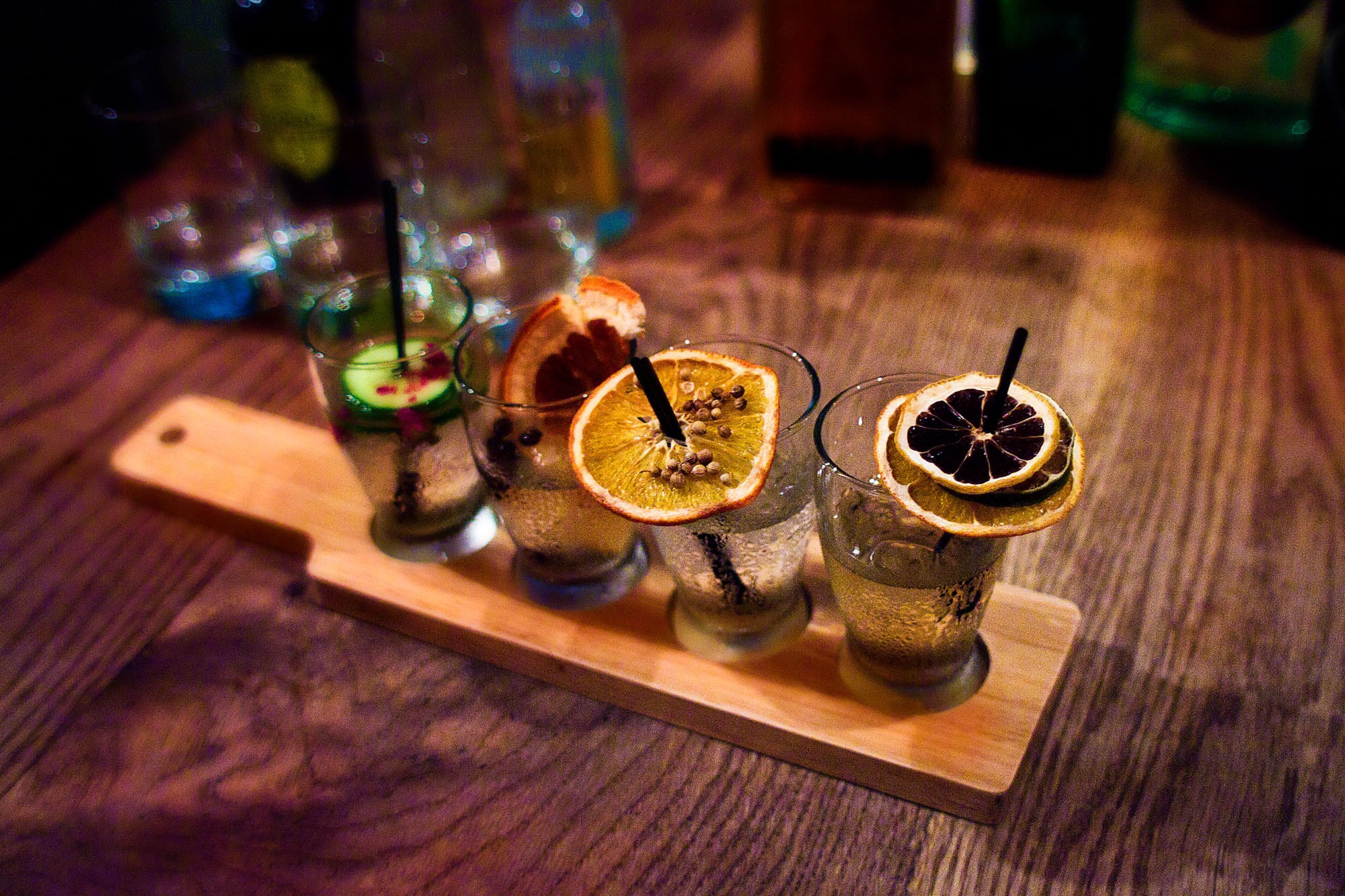
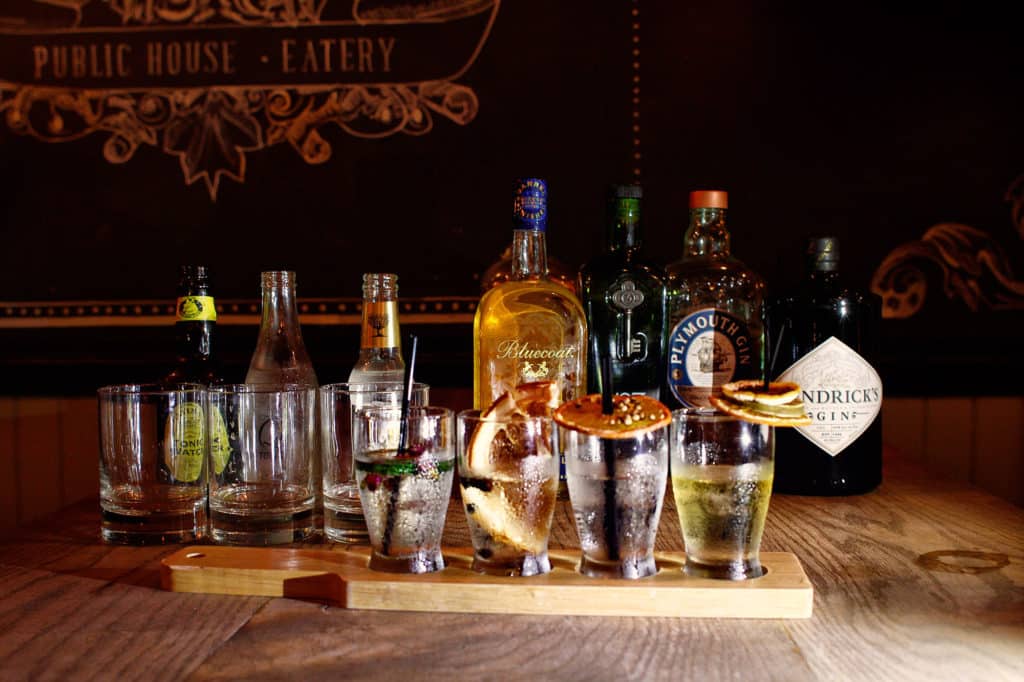
Walk into a well-run Gin Bar and the difference is immediate. The room tends to feel composed rather than loud, curated rather than crowded. Even before a drink arrives, there is a sense that someone has thought carefully about proportion, glassware, temperature, garnish, and pace. That combination creates an atmosphere people often describe as sophisticated, though the word can seem slippery until you spend time noticing what actually produces it.
Sophistication in a bar setting is rarely about luxury alone. It is not simply polished brass, backlit bottles, or a menu printed on heavy paper. Those details can help, but they are surface-level. What makes a Gin Bar feel elevated is the way many small decisions work together, each one signaling restraint, knowledge, and confidence. It is a style of hospitality built on precision rather than spectacle.
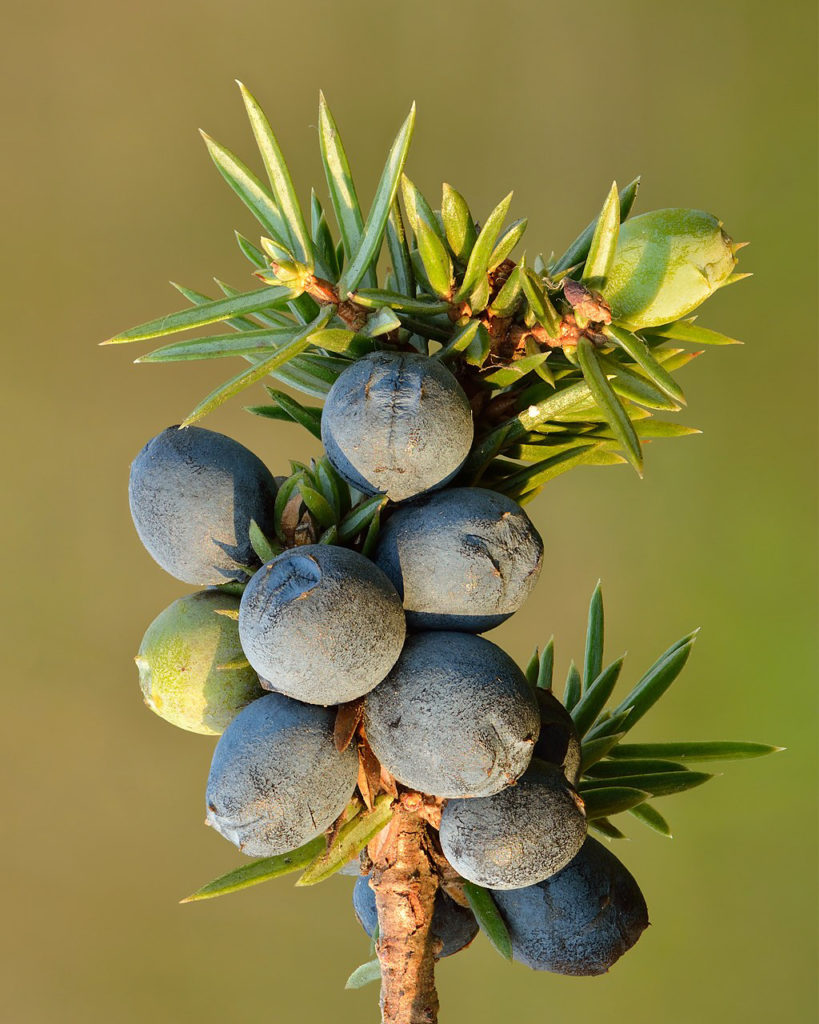
Gin happens to be uniquely suited to Gin Bar that style. It is a spirit that rewards attention. Unlike darker spirits that often lean on age and oak for character, gin expresses itself through botanicals, balance, aroma, and texture. Those qualities invite nuance. They ask for a bartender who can talk about coriander seed, angelica root, citrus peel, floral notes, pepper spice, and the effect of tonic on the finish, without sounding as though they are reading from a label. They also invite a guest to slow down and notice.
That slowing down is part of the appeal. In many bars, the energy pushes toward speed. Order fast, drink fast, move on. In a good Gin Bar, the rhythm changes. The drink arrives as a complete thought. The stemware or highball feels appropriate in the hand. The garnish has a purpose. The ice looks deliberate because it is. You are not being rushed toward the next round. You are being encouraged to enjoy the one in front of you.
It begins with a spirit built for detail
Gin is often misunderstood as a simple category because the most famous serve, gin and tonic, looks straightforward. Yet that simplicity is deceptive. Good gin is architecture in liquid form. It starts with a neutral base spirit, then layers botanicals in a way that can turn bright and citrus-led, savory and herbal, floral and delicate, or dry and juniper-forward. Tiny changes in recipe produce real differences in aroma, texture, and finish.
That matters in a bar because it creates genuine room for curation. A whiskey bar can feel serious because age statements and regions offer built-in talking points. A wine bar has terroir and vintage. A Gin Bar earns its sophistication through selection and service. One bottle might lean heavily into Mediterranean herbs, another into Japanese citrus, another into traditional London dry structure. Put those side by side and you are not just stocking inventory, you are building a conversation.
The best operators understand that guests do not need a lecture. They need guidance that feels intuitive. A bartender might ask whether you like your drinks crisp, floral, savory, or bold. That simple question does more than narrow options. It tells you the place cares about your palate, not just your order. Sophistication often comes from that exact exchange, where expertise is present but never forced.
I have seen this play out in bars that range from compact neighborhood rooms to high-end hotel lounges. The layout changes, the pricing changes, the clientele changes, but the principle remains the same. When gin is treated as a category with breadth and personality, the entire experience gains depth. Guests sense that there is something worth paying attention to.
Aroma does much of the work
One reason a Gin Bar feels more refined than many other drinking environments is that gin is aromatic in an outward, immediate way. Before you taste it, you smell it. That is true whether the drink is a Martini, a Negroni, or a long gin and tonic served over dense, clear ice. Aromatics create anticipation, and anticipation is one of hospitality’s most underappreciated tools.
A good bartender knows that aroma starts before the liquid hits the glass. The peel expressed over the top of a drink is not theater for its own sake. Those citrus oils shift the first impression. A sprig of rosemary, a bruised basil leaf, or a carefully chosen slice of pink grapefruit can either sharpen the profile or flatten it, depending on the gin underneath. That is why garnish is one of the quiet dividing lines between ordinary service and thoughtful service.
In less disciplined bars, garnish becomes decoration. In a strong Gin Bar, garnish behaves like seasoning. It supports the drink’s structure. That may mean using a restrained lemon twist with a classic London dry, or choosing no garnish at all for a Martini where excessive aroma would interfere with the spirit’s clean line. Sophistication often shows itself in what is left out.
There is also a social dimension to aroma. People lean in when a drink smells good. They ask what someone ordered. They notice the rosemary, the orange peel, the cucumber ribbon, the cracked pepper. The drink enters the room before the first sip, and that sensory reach gives gin service a subtle dramatic quality. It is elegant rather than flashy, which is part of why it reads as mature.
The glass on the table tells you what kind of place you are in
Glassware influences mood more than most guests realize. A balloon glass can make a gin and tonic feel expansive and continental. A narrow highball can make the same drink feel brisk and metropolitan. A chilled coupe holding a Martini sends a completely different signal from a heavy rocks glass carrying a gin-based old fashioned variation.
When a bar chooses glassware with care, it communicates standards. The vessel frames the drink and guides behavior. A large bowl glass encourages swirling and nosing. Fine stemware encourages a slower, steadier grip that keeps warm hands away from a cold drink. The right thickness at the rim changes how the liquid lands on the palate. None of these points are especially glamorous on paper, yet they add up in practice.
The same is true for ice, which is one of the least romantic and most decisive parts of a sophisticated bar program. Good ice is not a trend, it is engineering. Clear, dense cubes melt more slowly, preserve dilution, and look better. Pebble ice belongs in some drinks, not in all. Cracked ice creates a different texture from a single large block. If a Gin Bar pays attention to ice, the guest may not name that detail outright, but they will feel the difference in the drink’s lifespan.
There is a moment many regular bar-goers know well. You take a sip of a beautifully cold gin cocktail ten minutes after it was served, and it still tastes alive. That is often the result of technical discipline, not luck. Sophistication tends to hide its labor. The guest experiences ease because someone behind the scenes has done difficult things well.
The menu invites curiosity without intimidation
Some bars mistake complexity for refinement. They write menus that read like manifestos, pack them with obscure ingredients, and leave guests feeling underqualified. A strong Gin Bar usually takes the opposite route. It respects the guest’s intelligence without demanding specialist knowledge.
That can be as simple as grouping drinks by profile rather than by clever name. Crisp and citrus-driven, herbaceous and savory, spirit-forward and dry, lightly bitter and aperitivo-style, these are useful ways to orient people. They help guests choose based on what they want to feel and taste, not on whether they recognize every bottle listed.
Language matters here. When staff describe a gin as “juniper-led with bright lemon and a dry finish,” the guest can build a picture. When they say it is “approachable but layered,” they have said very little. The polished feeling associated with a Gin Bar often comes from specificity. Precise language makes people relax because it replaces guesswork with trust.
I have watched guests who claim they do not like gin change their minds after one good recommendation. More often than not, they were reacting to a single bad memory, usually a harsh pour, a flat tonic, poor dilution, or a garnish that fought the drink. A sophisticated bar can rehabilitate a category by serving it properly. That is not marketing magic. It is craft.
Tonic, vermouth, and modifiers reveal the standards of the house
One reason gin service feels so exacting is that the supporting ingredients matter tremendously. Cheap tonic can drag down an excellent gin. Oxidized vermouth can spoil a Martini faster than any poor stirring technique. Citrus that was cut too early loses vibrancy. Even carbonation levels change how a long drink lands on the palate.
These details are not glamorous, but professionals notice them instantly. If a bar stores vermouth cold, rotates it carefully, and uses fresh bottles often enough that the flavor stays bright, the difference is obvious. If tonic is chosen with the same seriousness as the spirit, a simple serve becomes more than a default order. It becomes a composed drink.
This is where a Gin Bar often separates itself from a general cocktail bar. In a broad program, gin may be one lane among many. In a focused room, the bar team has likely tasted multiple tonics with multiple gins and knows which pairings create tension, softness, bitterness, or lift. They are paying attention to variables many venues leave to habit.
That attention creates a feeling guests read as sophistication even when they cannot identify the mechanism. They know the drink tastes cleaner, colder, brighter, more balanced. They know the bitterness feels intentional rather than sharp. They know the Martini tastes crisp all the way through instead of fading halfway down the glass. Precision has a flavor.
History lends gin a certain social polish
Part of the Gin Bar experience feels sophisticated because gin carries a long cultural history, and not always a glamorous one. Its story includes medicine, empire, urban drinking culture, naval associations, grand hotels, private clubs, and modern craft distilling. That layered background gives the spirit an unusual social range. Gin can feel aristocratic, bohemian, literary, playful, or rigorously modern depending on how it is presented.
The Martini alone has done enormous work in shaping gin’s reputation. Few drinks project discipline quite like a well-made Martini. It is pared down, direct, and easy to ruin. Order one in a good bar and you are asking to be taken seriously, but you are also trusting the bar to execute with care. When it arrives cold, clear, and properly seasoned, the effect is quietly luxurious.
The same applies to the Negroni, the Gimlet, the Tom Collins, and the French 75. These are not novelty cocktails chasing attention. They have staying power because they are structurally sound. A Gin Bar built around classics and smart variations feels grounded in tradition, which naturally reads as more sophisticated than a place driven entirely by trends.
Still, history can become costume if a venue leans too hard on nostalgia. Not every bar needs tuxedoed staff and jazz standards. Some of the best Gin Bars feel contemporary, bright, and relaxed. What matters is that the tradition informs the service without trapping it. Sophistication is often modern confidence anchored by knowledge of what came before.
The room itself teaches people how to behave
Design shapes conduct. A thoughtfully designed Gin Bar tends to reduce the need for overt control because the space gently cues guests toward a certain tempo. Lighting is usually softer than in a restaurant but clearer than in a nightclub. Music supports conversation instead of competing with it. Seats are often arranged to encourage small-group intimacy or solo perching at the bar rather than high-volume crowding.
This does not mean a Gin Bar must be hushed. Plenty of them are lively. The distinction is in the type of energy. A sophisticated room can be busy and still feel composed if the acoustics allow speech, the service flow avoids chaos, and the staff move with purpose. The bar itself becomes a stage for competence.
One practical detail I always notice is spacing. If a venue crams every inch for covers, elegance disappears quickly. Guests knock elbows, servers twist awkwardly, and expensive drinks land with all the romance of a train platform. When a bar leaves enough room for a tray to pass cleanly and for a guest to set a glass down without fear, the experience becomes physically calmer. Calm reads as confidence.
Scent matters too. It is surprisingly hard to maintain a fresh-smelling room when citrus oils, wet coats, kitchen output, and busy service collide. Bars that manage this well often do so through ventilation, layout, and cleaning discipline rather than perfume. Again, sophistication is often operational excellence in disguise.
Service is where the feeling is either confirmed or exposed
A polished room and a long back bar can create an initial impression, but service decides whether the sophistication is real. In a true Gin Bar, staff tend to strike a difficult balance. They are informed without being doctrinaire, attentive without hovering, and capable of reading whether a guest wants a brief recommendation or a deeper conversation.
That balance is harder than it looks. Some guests arrive wanting to explore obscure distilleries and production methods. Others simply want something cold and excellent before dinner. Great staff can serve both gracefully. They know when to suggest a high-acid, citrus-led gin for someone who normally drinks Sauvignon Blanc. They know when to steer a whiskey drinker toward a more savory, root-driven profile. They know when to simplify.
I remember watching a bartender handle a guest who insisted he “hated anything floral.” Instead of correcting him or pushing a signature drink, she poured a tiny taste of a dry, herbaceous gin with a strip of lemon peel alongside. No speech, no pressure. He paused, nodded, and ordered a Martini variation that fit that profile. The interaction took less than two minutes. It felt elegant because it honored preference while gently expanding it.
That sort of service makes people feel well looked after, and being well looked after is the essence of sophistication. Not flaunted wealth. Not forced exclusivity. Competence, timing, and poise.
There is pleasure in ritual, and gin has plenty of it
Humans are highly responsive to ritual, especially in social spaces. We like actions that signal care. Gin service offers many of them. The chilled bottle placed briefly beside a glass at table. The measured stir in a mixing glass until the drink reaches the right temperature and dilution. The twist cut fresh to order. The tonic poured gently to preserve carbonation. The pause before serving, just long enough to make the moment feel considered.
These gestures matter because they make quality visible. They reassure the guest that a standard exists and is being met. In less careful bars, a drink appears abruptly, as if by accident. In a good Gin Bar, there is a sense of sequence. One step leads to another with economy and intention.
Ritual also encourages participation. Guests begin to notice what they prefer. They learn whether they like a lemon twist or an olive in a Martini, which tonic brands suit their palate, whether they enjoy stronger juniper notes or softer citrus profiles. This creates a more engaged kind of drinking. The guest is no longer just consuming. They are discerning. That feeling is pleasurable, and it often gets labeled sophistication.
Sophisticated does not have to mean stiff
There is a trap some venues fall into when they chase refinement. They become severe. Menus read cold, staff sound rehearsed, and guests feel they might be judged for ordering the wrong thing. That is not sophisticated. It is insecure.
The best Gin Bars tend to be warm. They can laugh. They can adapt. They may serve an immaculate fifty-pound Martini in one corner and an excellent simple gin and tonic to a guest in jeans at the other end of the bar, without treating one order as more worthy than the other. Real confidence makes room for different levels of knowledge and spending.
This matters because gin itself is more democratic than its image sometimes suggests. There are exceptional bottles at approachable prices, and there are expensive ones that offer less pleasure than expected. A professional knows the difference. Price can signal rarity or packaging as much as quality. A sophisticated venue will not automatically push the highest-margin bottle. It will recommend the one that best suits the guest and the serve.
That honesty is memorable. People return to bars where they feel guided rather than managed. A Gin Bar earns loyalty when it combines expertise with generosity.
The trade-offs are part of the charm
It would be dishonest to pretend every aspect of the Gin Bar experience is universally appealing. Some guests prefer louder rooms, simpler choices, and less ceremony. Others find gin’s botanical complexity challenging, especially if they are sensitive to bitterness or strongly aromatic herbs. There are also practical limits. A tightly curated menu may offer fewer crowd-pleasing sweet options. Gin Bar A serious approach to temperature and dilution can make service slightly slower during peak hours. Premium tonic, proper glassware, and trained staff cost money, and those costs show up on the bill.
Yet these trade-offs are part of why the experience feels distinct. A Gin Bar is usually not trying to be everything at once. It is making a case for a certain kind of pleasure, one built on attentiveness, flavor clarity, and civilized pace. For the right guest, that focus feels luxurious in a way louder, faster venues do not.
I have seen people walk into a Gin Bar expecting it to be precious and leave surprised by how easy it felt. That is often the mark of a strong concept. The standards are high, but the guest does not have to work to enjoy them. The bar does the work.
What lingers after the glass is empty
Ask people why a particular bar felt sophisticated, and they often mention things that sound almost incidental. The drink stayed cold. The recommendation was exactly right. The garnish made sense. The room was lively but never chaotic. They could hear their friends. The bartender seemed to know a great deal but never made a show of it. The bill felt fair for what arrived.
Those impressions are not incidental at all. They are the result of layered competence, and gin is a perfect medium for expressing it. Because gin is botanical, aromatic, and structurally sensitive, it rewards bars that care about details. Because the classic serves are so exposed, there is nowhere to hide sloppy technique. Because the category spans traditional and contemporary styles so well, it gives a venue room to build identity.
That is why a Gin Bar experience feels so sophisticated. Not because it tries to impress, but because, at its best, it does many things correctly and quietly. It understands that elegance is not excess. It is judgment. It is knowing which gin belongs in which glass, with which mixer, at which temperature, under what light, and in front of which guest. When all of that aligns, sophistication stops being an abstract idea. It becomes something you can taste.
The Winslow
243 E 14th St
New York, NY 10003, United States
Phone: +1 212-777-7717
FAQ About Gin Bar
How to do a gin tasting?
Start with a small pour and gently smell the gin before taking a small sip. Notice its juniper, citrus, floral or spice notes, then compare how the flavor changes with a little water or tonic. At a gin bar, ask the bartender to explain the selection and botanical pairings.
How to make the best tasting gin and tonic?
Use chilled gin, fresh tonic and plenty of ice. A common starting ratio is one part gin to two parts tonic, adjusted to taste. Choose a garnish that complements the gin's botanicals and stir gently to preserve the bubbles.
What is the smoothest tasting gin?
There is no single smoothest gin for everyone. Perceived smoothness depends on the botanical recipe, alcohol strength, serving temperature and mixer. Describe whether you prefer citrus, floral, herbal or juniper-forward flavors so a bartender can suggest a suitable style.
Ends · ANDERSONMYLW166